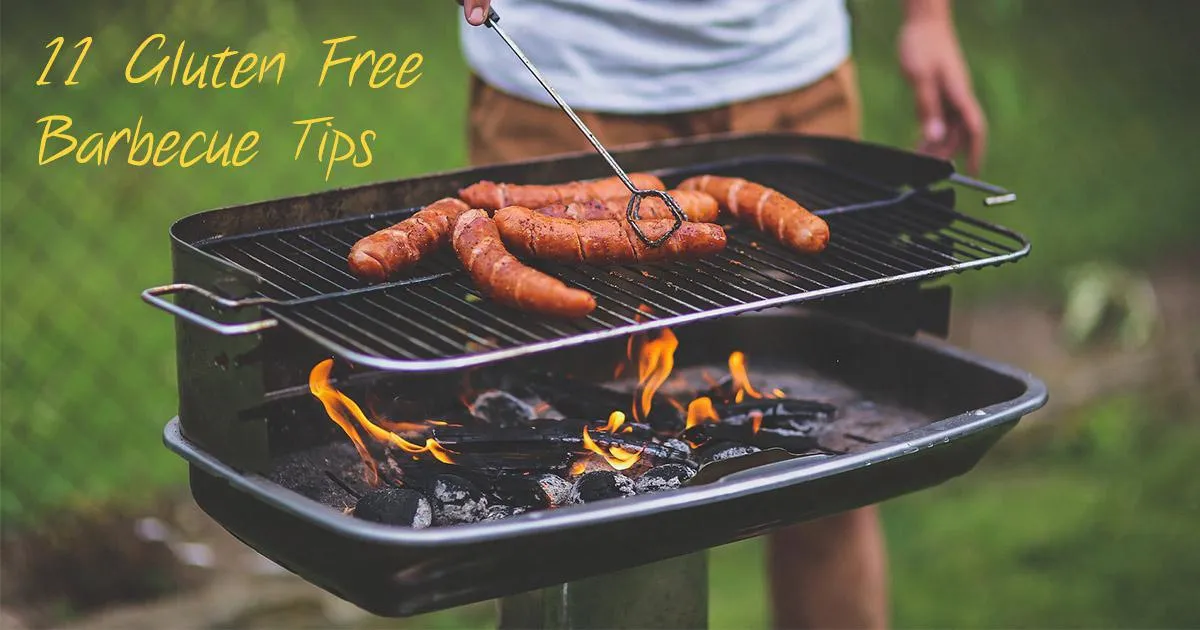
Barbecues are a fantastic way to enjoy the warmer weather, but for people with coeliac disease they can also create opportunities for cross contamination. Shared grills, burger buns, serving utensils and sauces can all pose a risk if care isn't taken.
The good news is that with a little preparation there is no reason why a gluten free barbecue cannot be just as enjoyable as any other. Whether you're cooking in your own garden, heading to the beach or attending someone else's BBQ, these simple gluten free barbecue tips will help you stay safe.
1. Squeezy sauce bottles or own jars
Sauces and condiments can be one of the easiest places for cross contamination to occur. Knives used on burger buns are often dipped back into mayonnaise, ketchup or mustard, leaving behind breadcrumbs that can contaminate the entire jar. Double dippers are certainly a coeliacs worst nightmare!
Where possible, use squeezy bottles or keep a separate set of clearly labelled gluten free condiments with their own utensils. My gluten free stickers are ideal for marking safe products and helping guests identify which sauces should remain gluten free.
2. Keep it naturally gluten free/all gluten free
Chicken, steak, homemade kebabs, jacket potatoes, halloumi, salads, corn on the cob and grilled vegetables can all be excellent gluten free barbecue options. The fewer gluten-containing foods around the barbecue, the lower the risk of cross contamination.
Many of the supermarkets also do marinaded meats for barbecues during the summer months, Aldi are usually especially good in this department. It is worth checking out all the ingredients of all the different options as you will find many of them don't contain gluten ingredients and would be a great option to sling on the BBQ.
3. Non gluten free on bottom shelf
If you do need to cook gluten-containing products, always keep them separate from gluten free food. If your barbecue has multiple levels, place gluten free food on the upper shelf to prevent drips or crumbs contaminating it.
Where this isn't possible, use foil trays or create a separate section of the barbecue to reduce the risk of cross contamination.
4. Keep your bread separate or keep it all gluten free
Bread rolls are often the biggest source of gluten contamination at a barbecue. Keep gluten free rolls covered and well away from standard bread buns to avoid stray crumbs finding their way onto your food.
All the supermarkets do free from bread rolls these days and Tesco and Juvela even do free sub rolls which are great for hotdogs.
There are lots of small independent bakeries both online and physical markets/shops that are great for breads too, with these you could even serve all the guests gluten free bread and they probably won't be any the wiser.
5. Colour code or label cutlery so knifes and spoons don't get mixed up.
It's easy for serving spoons, tongs and knives to get mixed up during a busy barbecue. Using different coloured utensils for gluten free and gluten-containing foods can help prevent accidental contamination. Or again my stickers are a great shout...they are waterproof so you can stick them through the dishwasher!
Make sure each bowl, salad and serving dish has its own dedicated utensil and remind guests not to swap them between dishes.
Dealing with your own BBQ is much easier than going somewhere else, you are obviously more in control of what is going on there.
Attending somebody else's barbecue can be more challenging because you have less control over food preparation. However, a quick conversation beforehand can make a huge difference.
Many people understand what gluten is but may not understand how easily cross contamination can occur. Explain that even small amounts of gluten can cause problems for people with coeliac disease and discuss simple steps that can help keep food safe.
1. Ask ahead if it will be safe for coeliacs, educate them on the importance of cross contamination
It's also worth reminding hosts that not all burgers, sausages and marinades are gluten free, so ingredients should always be checked. If they are not sure, they can always ask you, you should be the expert on labels as a coeliac.
2. Take your own bread
Gluten free bread can be expensive and many hosts may not know which brands are suitable or which you prefer to eat. Bringing your own gluten free rolls guarantees you have a safe option available and means you can enjoy products you already know and trust.
3. Take your own emergency gluten free supplies
Taking a few gluten free dishes with you can provide peace of mind and ensure you have safe options available if cross contamination becomes an issue. Don't worry about offending your host, honestly ensuring your health isn't compromised is the key objective.
Homemade potato salad and coleslaw, crisps you know are safe, dips and fresh salads are all easy additions that can help create a safe gluten free barbecue spread.
4. Ask them to grill yours on a separate section, if it doesn't have tiers then section a bit off with tin foil.
Ask the host to cook your food in a separate section of the barbecue. If the grill has different levels, gluten free food should be cooked away from gluten-containing products.
Foil trays can also be useful for creating a barrier and helping to prevent contamination if they haven't got the ability to keep the grill safe. One large tray with all your gluten free stuff in will prevent grill contamination.
5. Ask them to use two sets of utensils, tongs, brushes, trays, cutting boards etc.
Cross contamination often happens before food even reaches the barbecue. Separate chopping boards, tongs, trays and preparation surfaces can all help keep gluten free food safe. Chat to your host about their prep to make sure they understand, just like you would when eating at a restaurant.
If possible, ask the host to prepare gluten free food first before handling gluten-containing products.
6. Make sure they have a no double dipping rule!
A strict no double dipping rule is one of the simplest ways to reduce contamination risks. Breadcrumbs from burger buns can easily find their way into sauces, dips and condiments if serving spoons are shared.
Encourage guests to use dedicated serving spoons and avoid returning used utensils to communal dishes. However, if you are not convinced double dipping won't occur take your own squeezy bottles of condiments!
One extra tip, if you're attending a barbecue abroad or where there may be a language barrier, having a gluten free travel translation card can help explain your dietary requirements and the importance of avoiding cross contamination too.
With a little planning and preparation, there is no reason why people with coeliac disease cannot enjoy a safe and delicious barbecue either at home or at someone else's house. By understanding cross contamination risks and taking a few simple precautions, gluten free BBQs can be every bit as enjoyable as traditional summer gatherings.